

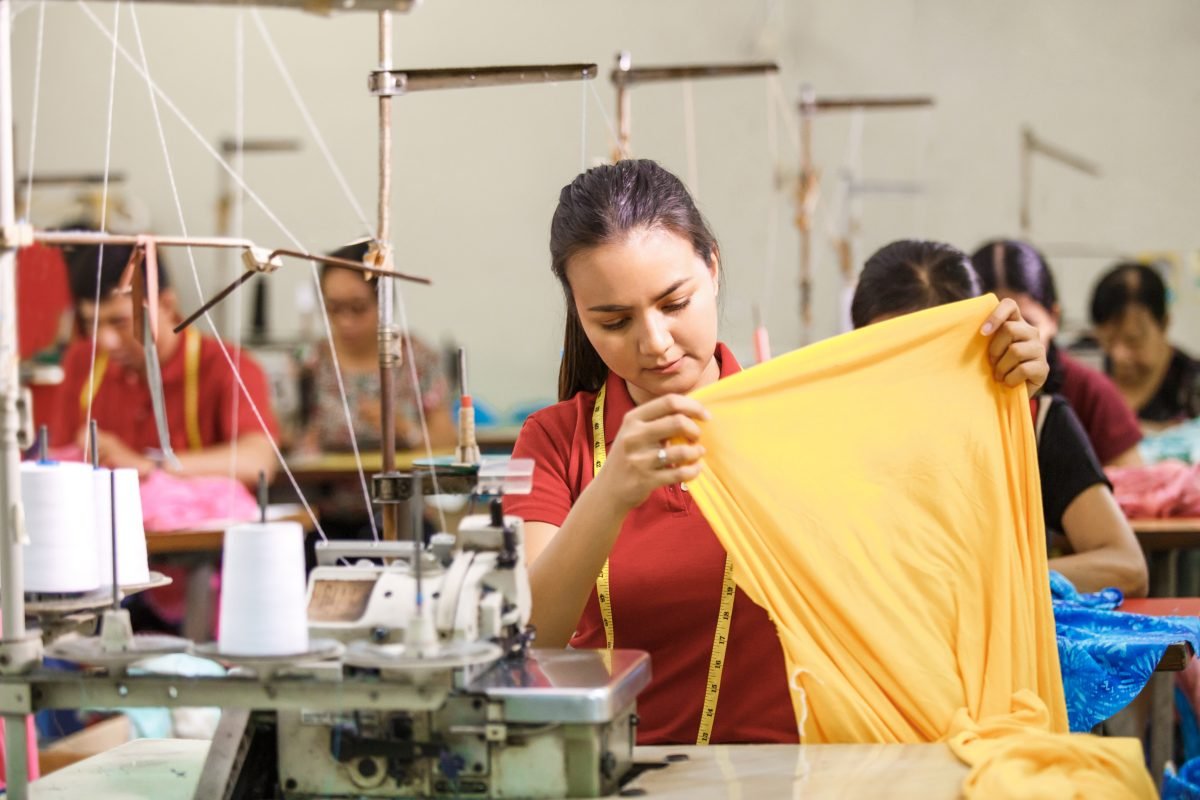
The meaning of a living craft legacy
A living craft legacy is not something preserved only in museums or history books. It is a tradition that continues to evolve while staying rooted in its origins. Handloom textiles represent India’s living craft legacy because they are still created using techniques shaped centuries ago. The loom is not a relic of the past. It remains active in homes and weaving communities across the country. At Usha Kalamkari, handloom textiles are viewed as ongoing expressions of heritage rather than nostalgic artifacts.
Generations of knowledge carried forward
Handloom weaving in India survives because knowledge is passed down within artisan families. Children grow up watching elders prepare yarn, set up looms, and maintain rhythmic weaving patterns. Skills are learned through practice and repetition. This generational continuity ensures that techniques are preserved without losing authenticity. Handloom textiles represent India’s living craft legacy precisely because they are sustained by people who inherit and refine their craft. Usha Kalamkari supports artisans who carry this lineage forward.
Regional identities woven into fabric
Each region of India has developed its own distinctive handloom tradition. Differences in climate, resources, and cultural influences have shaped weaving styles and motifs. These regional characteristics give handloom textiles a strong sense of place. They reflect local identity rather than uniform mass production. At Usha Kalamkari, preserving these regional details ensures that handloom textiles continue to represent India’s diverse craft legacy.
Techniques rooted in patience and precision
Handloom weaving demands time and discipline. From preparing the yarn to completing the weave, every step requires focus and skill. The slow nature of the process strengthens the fabric’s quality and character. This dedication to craft is what makes handloom textiles symbols of India’s living legacy. They embody patience and attention rather than speed and automation. Usha Kalamkari values this commitment to precision as part of honoring traditional excellence.
Motifs that preserve cultural memory
Handloom textiles often feature motifs inspired by mythology, nature, and social customs. These designs are more than decoration. They serve as visual records of cultural beliefs and stories. By continuing to weave these motifs, artisans preserve cultural memory in tangible form. Handloom textiles represent India’s living craft legacy because they keep these stories alive. At Usha Kalamkari, meaningful motifs are chosen to protect cultural depth rather than follow fleeting trends.
The human touch behind every weave
Unlike machine produced fabrics, handloom textiles reflect direct human involvement. Slight variations in texture or alignment confirm authenticity. These subtle differences give each fabric individuality. The human touch makes the textile feel alive and personal. Usha Kalamkari celebrates these distinctions as proof of genuine craftsmanship.
Sustainability rooted in tradition
Long before sustainability became a global conversation, handloom practices naturally aligned with responsible production. Minimal machinery, local sourcing, and durable construction reduced environmental strain. This balanced approach makes handloom textiles not only culturally significant but environmentally mindful. Usha Kalamkari continues to uphold these practices, recognizing that legacy includes responsibility.
Community pride and economic identity
For many communities, weaving is more than an occupation. It is a source of pride and collective identity. Handloom traditions shape local economies and social structures. Supporting handloom textiles strengthens these communities and preserves their craft legacy. Usha Kalamkari works with artisans respectfully to ensure that their contribution remains valued.
Adaptation without losing roots
A living legacy must adapt while retaining its core principles. Handloom textiles have evolved in color, application, and styling to suit contemporary preferences. Yet the fundamental weaving techniques remain unchanged. This balance between tradition and adaptation keeps the craft relevant. At Usha Kalamkari, thoughtful evolution ensures that authenticity is never compromised.
Emotional continuity through generations
Handloom textiles often accompany important life events such as weddings, festivals, and ceremonies. Over time, these fabrics hold emotional memories that deepen their significance. Families preserve them as heirlooms, strengthening generational connection. This emotional continuity reinforces why handloom textiles represent India’s living craft legacy. Usha Kalamkari creates pieces that are meant to endure both physically and emotionally.
Preserving identity in a modern world
In a globalized fashion landscape, distinct cultural identities risk being overshadowed. Handloom textiles stand as reminders of India’s unique craft traditions. Supporting them ensures that identity remains visible and respected. Usha Kalamkari believes that preserving craft legacy is essential to preserving cultural identity itself.
Conclusion honoring a living tradition
Handloom textiles represent India’s living craft legacy because they combine generational knowledge, regional identity, meaningful motifs, and sustainable practices. They are not remnants of the past but active expressions of cultural continuity. With Usha Kalamkari, each handloom textile carries forward a tradition that continues to shape India’s artistic and cultural landscape.