

Understanding why this difference truly matters
Handcrafted textiles and factory made fabrics may look similar at first glance but their value origin and impact are entirely different. The difference goes beyond appearance and touches craftsmanship culture sustainability and emotion. Knowing what makes handcrafted textiles different from factory made fabrics helps you make conscious choices that support quality and tradition. At Usha Kalamkari, this difference defines everything that is created and offered.
The human involvement behind handcrafted textiles
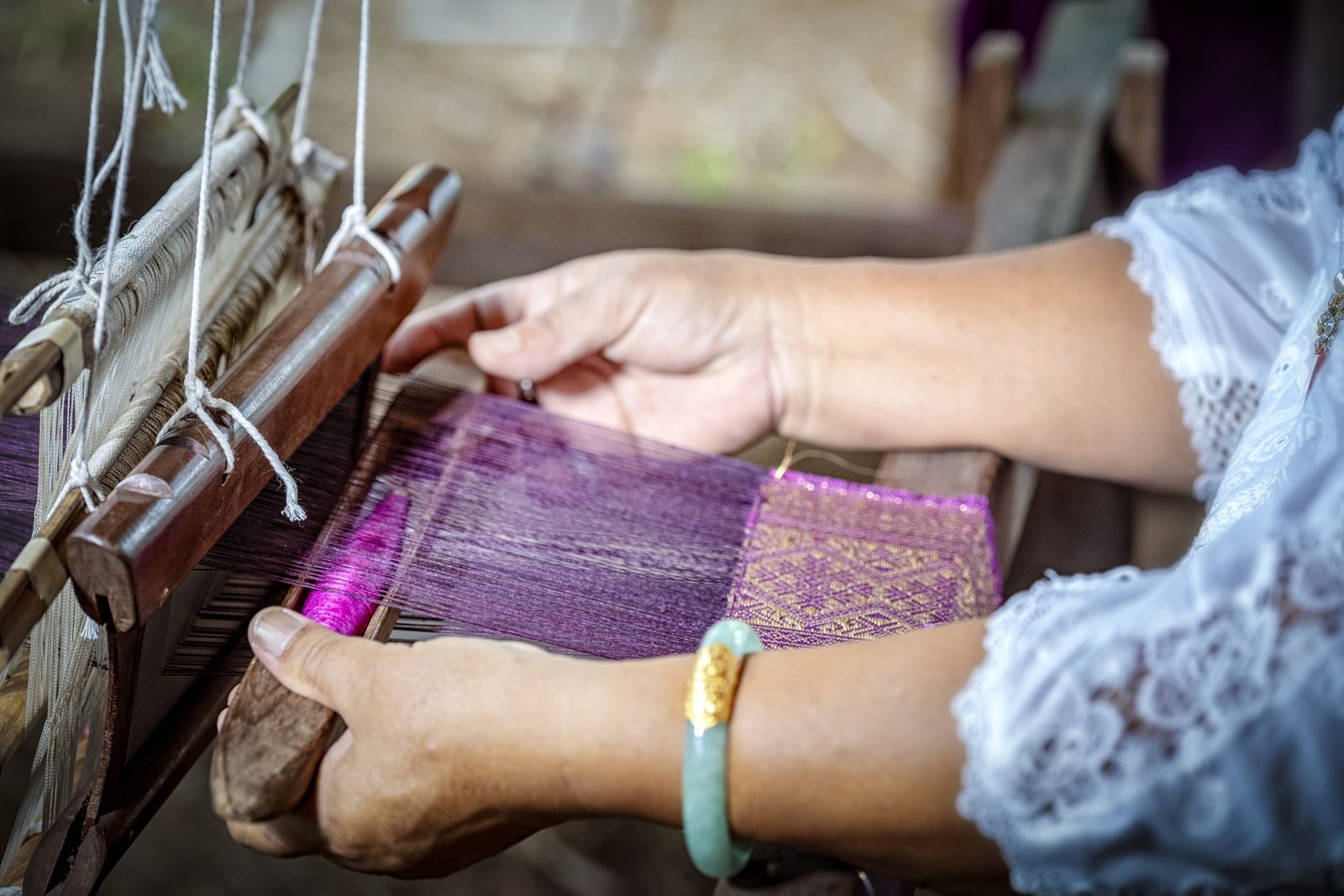
Handcrafted textiles are created by skilled artisans using hands on techniques developed over generations. Every stage involves human judgment from weaving and dyeing to detailing and finishing. This human involvement gives handcrafted textiles individuality and soul. No two pieces are ever exactly the same. At Usha Kalamkari, handcrafted textiles reflect the artisan’s experience creativity and patience rather than machine precision.
How factory made fabrics are produced
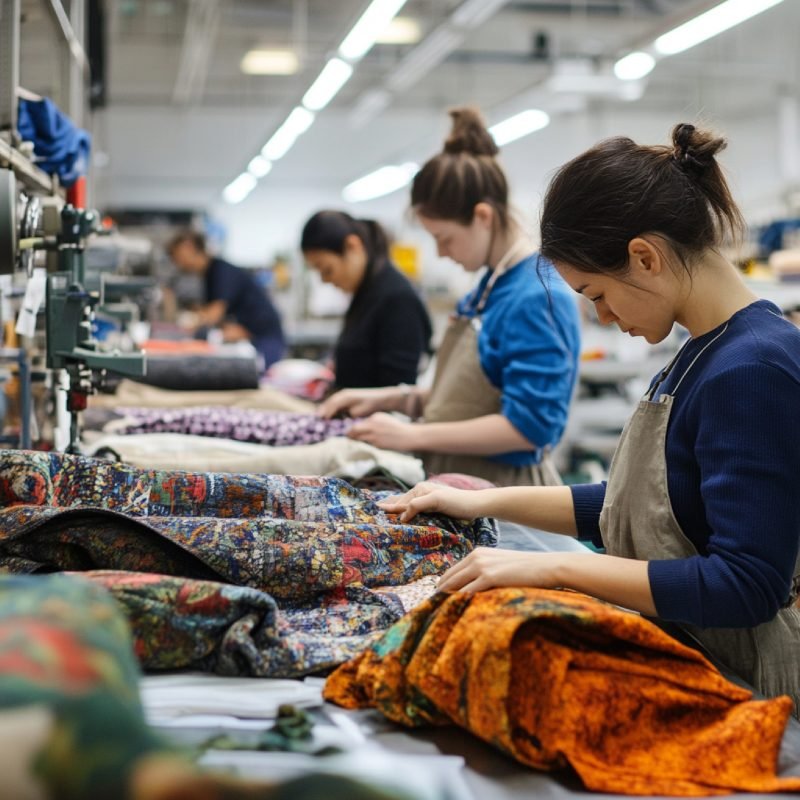
Factory made fabrics are produced using automated machines designed for speed and uniformity. The goal is large scale production with minimal variation. Designs are programmed and repeated endlessly resulting in identical outputs. While this method is efficient it lacks the warmth and character found in handcrafted textiles. Factory made fabrics prioritize quantity over cultural or artistic value.
Differences in design and detailing
One of the most visible differences between handcrafted textiles and factory made fabrics lies in design depth. Handcrafted textiles often show subtle irregularities in patterns and lines which confirm authenticity. These variations add charm and uniqueness. Factory made fabrics appear perfectly symmetrical and flat because designs are mechanically printed or woven. At Usha Kalamkari, these handcrafted variations are seen as marks of originality not flaws.
Materials and dyeing methods
Handcrafted textiles typically use natural fibers and traditional dyeing techniques. Natural dyes create soft earthy tones that age gracefully. Factory made fabrics usually rely on chemical dyes for faster production and brighter colors. These colors may fade unevenly over time. Usha Kalamkari prefers natural processes that respect both fabric and environment.
Durability and long term quality
Handcrafted textiles are made with attention to durability. Artisans understand fabric behavior and create textiles meant to last. These fabrics often improve with age becoming softer and richer in appearance. Factory made fabrics may wear out faster due to mass production shortcuts. Choosing handcrafted textiles from Usha Kalamkari means investing in long term quality rather than short term use.
Cultural value carried by handcrafted textiles
Handcrafted textiles carry cultural stories traditions and regional identities. Motifs patterns and techniques often represent local heritage and beliefs. Factory made fabrics are decorative but rarely meaningful. Wearing handcrafted textiles allows individuals to connect with culture and history. At Usha Kalamkari, storytelling through textiles is a core value.
Environmental impact and sustainability
Handcrafted textiles support sustainable practices. They consume less energy produce less waste and avoid harmful chemicals. Factory made fabrics often involve heavy machinery high water usage and chemical treatments. Choosing handcrafted textiles supports eco conscious living. Usha Kalamkari believes sustainability is inseparable from traditional craftsmanship.
Impact on artisan communities
When you choose handcrafted textiles you directly support artisan livelihoods and help preserve traditional skills. Factory made fabrics reduce reliance on human skill leading to cultural loss. Usha Kalamkari works closely with artisans ensuring fair practices and continuity of heritage crafts.
Price versus value perspective
Factory made fabrics are usually cheaper due to mass production. Handcrafted textiles may cost more but offer greater value through uniqueness durability and cultural significance. Price reflects time effort and expertise. At Usha Kalamkari, value is measured by meaning not mass output.
How to identify handcrafted textiles
Handcrafted textiles show natural variations hand executed details and organic textures. Patterns may not be perfectly aligned and colors may vary slightly. Factory made fabrics look uniform and repetitive. Trusting the source is key. Usha Kalamkari maintains transparency so buyers can confidently choose authentic handcrafted textiles.
Why handcrafted textiles remain timeless
Handcrafted textiles are not driven by trends. Their appeal comes from authenticity and tradition which never go out of style. Factory made fabrics often follow fast fashion cycles and lose relevance quickly. Usha Kalamkari creates handcrafted textiles meant to be cherished across generations.
Making a conscious choice
Understanding what makes handcrafted textiles different from factory made fabrics empowers better buying decisions. Every choice supports either mass production or meaningful craftsmanship. At Usha Kalamkari, choosing handcrafted textiles means choosing heritage sustainability and lasting beauty.
Conclusion celebrating true craftsmanship
Handcrafted textiles stand apart because they carry human touch cultural depth and enduring quality. Factory made fabrics offer convenience but lack soul. When you choose handcrafted textiles you choose authenticity and responsibility. With Usha Kalamkari, every textile tells a story shaped by hands tradition and timeless artistry.