

The relationship between traditional indian fabrics and craftsmanship
Traditional Indian fabrics are a reflection of the craft traditions that shaped them. Every fabric begins with a process that involves skilled hands careful decisions and time tested techniques. From spinning and weaving to dyeing and finishing each step requires knowledge that has been refined over generations. This craftsmanship gives traditional indian fabrics their depth texture and individuality. At Usha Kalamkari, craft is not treated as a method but as a legacy carried forward through fabric.
How character is built into traditional indian fabrics
Character in traditional indian fabrics comes from the human touch involved in their creation. Unlike factory made materials these fabrics are shaped by artisans who respond to the fabric as they work. Slight variations in weave motif or color reflect personal expression and experience. These details give traditional indian fabrics a personality that cannot be replicated by machines. Usha Kalamkari values this character because it makes every piece feel alive and meaningful.
Regional identity expressed through fabric craft
Each region of India has its own textile traditions influenced by climate resources and culture. The way cotton silk or natural fibers are woven dyed and designed reflects local identity. Traditional indian fabrics carry these regional signatures clearly within their structure and patterns. When worn they communicate where they come from and the community behind them. At Usha Kalamkari, preserving regional craft identity is central to honoring tradition.
Motifs as reflections of belief and values
Motifs used in traditional indian fabrics are rarely decorative alone. They often represent cultural beliefs mythology nature and everyday life. These motifs are learned and repeated through generations becoming part of a shared visual language. This storytelling aspect adds character to the fabric beyond its appearance. Usha Kalamkari emphasizes meaningful motifs that reflect heritage rather than surface trends.
The role of hand processes in defining fabric character
Hand processes such as hand weaving hand painting and natural dyeing give traditional indian fabrics their unique feel. These methods allow artisans to adjust respond and refine as they work. The fabric develops depth softness and movement that machine processes cannot achieve. At Usha Kalamkari, these hand techniques are preserved because they shape both craft quality and fabric character.
Why imperfections add authenticity and charm
Traditional indian fabrics often display small irregularities that are signs of genuine craftsmanship. These imperfections confirm that the fabric was shaped by human hands rather than automated systems. Instead of reducing value they enhance authenticity. Usha Kalamkari celebrates these natural variations as part of what gives handcrafted fabrics their soul.
Character shaped by natural materials and dyes
Natural fibers and dyes play an important role in defining the character of traditional indian fabrics. Colors derived from plants and minerals develop richness over time rather than fading harshly. Fabrics breathe adapt to the body and age gracefully. At Usha Kalamkari, the use of natural materials ensures that fabric character evolves beautifully with wear.
How traditional fabrics express cultural pride
Wearing traditional indian fabrics is a form of cultural expression. These fabrics represent respect for heritage and appreciation for skilled craftsmanship. They are often chosen for important life moments because of the dignity and meaning they carry. Usha Kalamkari creates fabrics that allow individuals to express cultural pride through thoughtful fashion choices.
The contrast between handcrafted character and mass production
Mass produced fabrics aim for uniformity speed and cost efficiency. Traditional indian fabrics aim for expression depth and longevity. Machines eliminate variation while artisans embrace it. This difference defines character. Usha Kalamkari stands apart by prioritizing handcrafted integrity over mass repetition.
Craft as a reflection of artisan identity
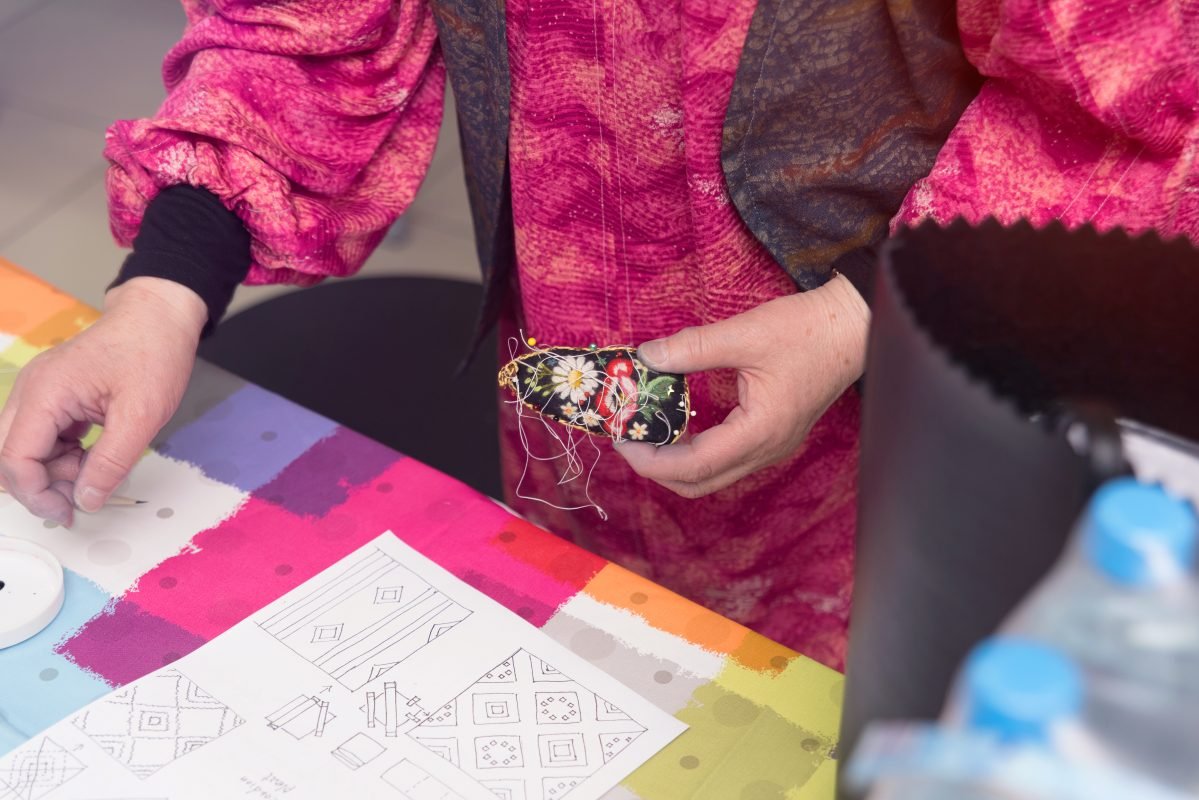
Every artisan brings personal experience cultural understanding and emotion into their work. This individuality becomes part of the fabric itself. Traditional indian fabrics therefore reflect not only regional craft but also the artisan’s identity. Usha Kalamkari respects this individuality and ensures it remains visible in every piece.
Why traditional indian fabrics feel timeless
The craft and character embedded in traditional indian fabrics make them timeless. They are guided by values and skills rather than trends. Their relevance remains strong across generations because they carry meaning beyond fashion cycles. Usha Kalamkari creates textiles meant to endure emotionally and physically.
Preserving craft and character in a modern world
As modern fashion moves faster preserving traditional indian fabrics becomes increasingly important. Supporting handcrafted textiles ensures that craft knowledge and fabric character are not lost. Usha Kalamkari plays an active role in sustaining these traditions through ethical sourcing and artisan collaboration.
Choosing fabrics with craft and character
Understanding how traditional indian fabrics reflect craft and character helps buyers make conscious choices. It shifts focus from appearance alone to meaning and quality. At Usha Kalamkari, every fabric is offered as a reflection of craft integrity and cultural character.
Conclusion celebrating craft and character through fabric
Traditional Indian fabrics reflect craft and character through human touch regional identity meaningful motifs and time honored techniques. They stand as expressions of heritage skill and individuality. With Usha Kalamkari, each fabric becomes a celebration of craftsmanship and character woven together with purpose.