

The deep connection between handcrafted indian textiles and cultural identity
Handcrafted Indian textiles are not just fabrics created for clothing they are powerful expressions of culture identity and belonging. Every region in India carries its own textile language shaped by geography climate beliefs and community life. Handcrafted indian textiles reflect these influences through patterns colors techniques and motifs that have evolved over centuries. At Usha Kalamkari, these textiles are respected as cultural symbols that speak silently yet meaningfully.
Regional diversity expressed through handcrafted indian textiles
India’s cultural diversity is vividly reflected in its handcrafted indian textiles. Each region has developed distinct textile traditions based on local resources and cultural practices. From weaving styles to dyeing methods the identity of a place is embedded in the fabric. When someone wears handcrafted indian textiles they carry the story of a region with them. Usha Kalamkari celebrates this diversity by preserving traditional techniques rooted in regional heritage.
Traditional motifs as symbols of belief and history
Motifs used in handcrafted indian textiles are rarely decorative alone. They often represent religious beliefs mythology nature fertility prosperity or daily life. These symbols have been passed down through generations and hold shared meaning within communities. Handcrafted indian textiles use these motifs to preserve cultural memory. At Usha Kalamkari, storytelling through motifs is central to maintaining authenticity and depth.
The role of artisans in shaping cultural identity
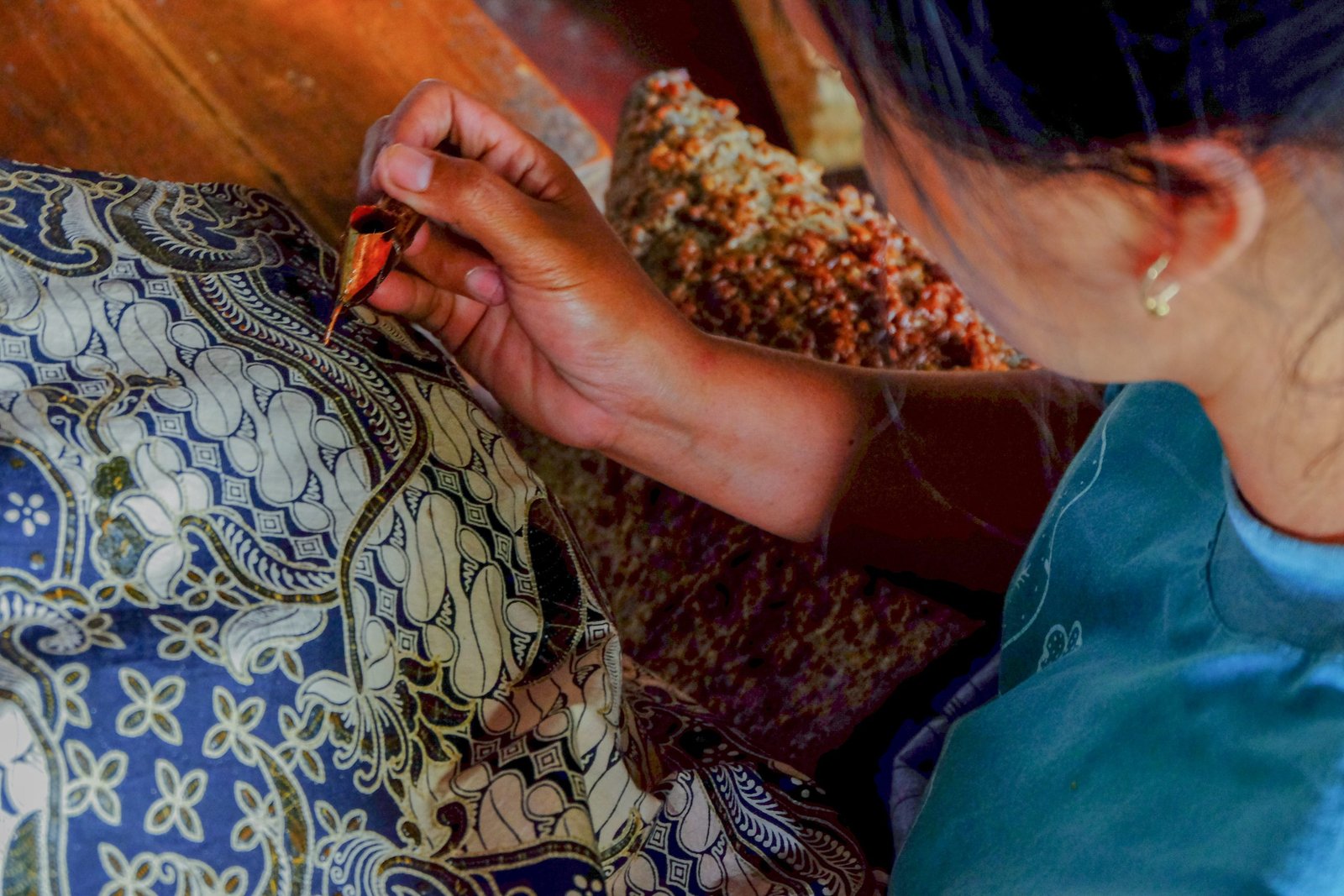
Artisans are the living carriers of textile traditions. Their skills are learned through observation practice and generational transfer rather than formal instruction. The identity of handcrafted indian textiles is shaped by the artisan’s hands experience and cultural understanding. Each piece reflects not only technique but also personal expression. Usha Kalamkari works closely with artisans to ensure their voices and traditions remain visible in every textile.
Natural materials rooted in local environments
Handcrafted indian textiles often rely on natural fibers and dyes sourced from the surrounding environment. Cotton silk plant based dyes and mineral pigments are chosen based on regional availability. This connection to nature strengthens cultural identity by tying textiles to the land itself. At Usha Kalamkari, natural processes are valued because they preserve the original character of traditional textiles.
Handcrafted indian textiles as markers of social identity
Historically handcrafted indian textiles have played an important role in social identity. Specific fabrics patterns or colors were worn during rituals festivals weddings and life milestones. These textiles signaled community belonging and cultural values. Even today handcrafted indian textiles continue to represent dignity tradition and pride. Usha Kalamkari honors this role by creating textiles that retain their cultural relevance.
Why handcrafted indian textiles feel personal and meaningful
Handcrafted indian textiles feel personal because they are shaped by human hands rather than machines. Each variation in weave or color reflects an artisan’s presence. This individuality allows wearers to connect emotionally with what they wear. At Usha Kalamkari, textiles are created to feel meaningful rather than uniform reinforcing personal identity through fabric.
The difference between cultural expression and mass production
Mass produced fabrics aim for uniformity speed and commercial appeal. Handcrafted indian textiles aim for expression depth and continuity. Cultural identity cannot be replicated by machines because it lives in tradition experience and intention. Usha Kalamkari stands apart by focusing on authenticity instead of mass trends.
Handcrafted indian textiles and generational continuity
Handcrafted indian textiles serve as bridges between generations. Skills stories and values are passed down through textile traditions. Wearing these textiles keeps ancestral knowledge alive in everyday life. Many families preserve handcrafted pieces as heirlooms because they represent shared identity. Usha Kalamkari creates textiles meant to carry this continuity forward.
The role of handcrafted textiles in modern identity
In today’s fast paced world many individuals seek deeper connections to their roots. Handcrafted indian textiles offer a way to express cultural identity while living in modern contexts. They allow people to stay grounded while embracing contemporary lifestyles. Usha Kalamkari designs textiles that resonate with modern wearers without losing traditional soul.
Cultural pride through conscious textile choices
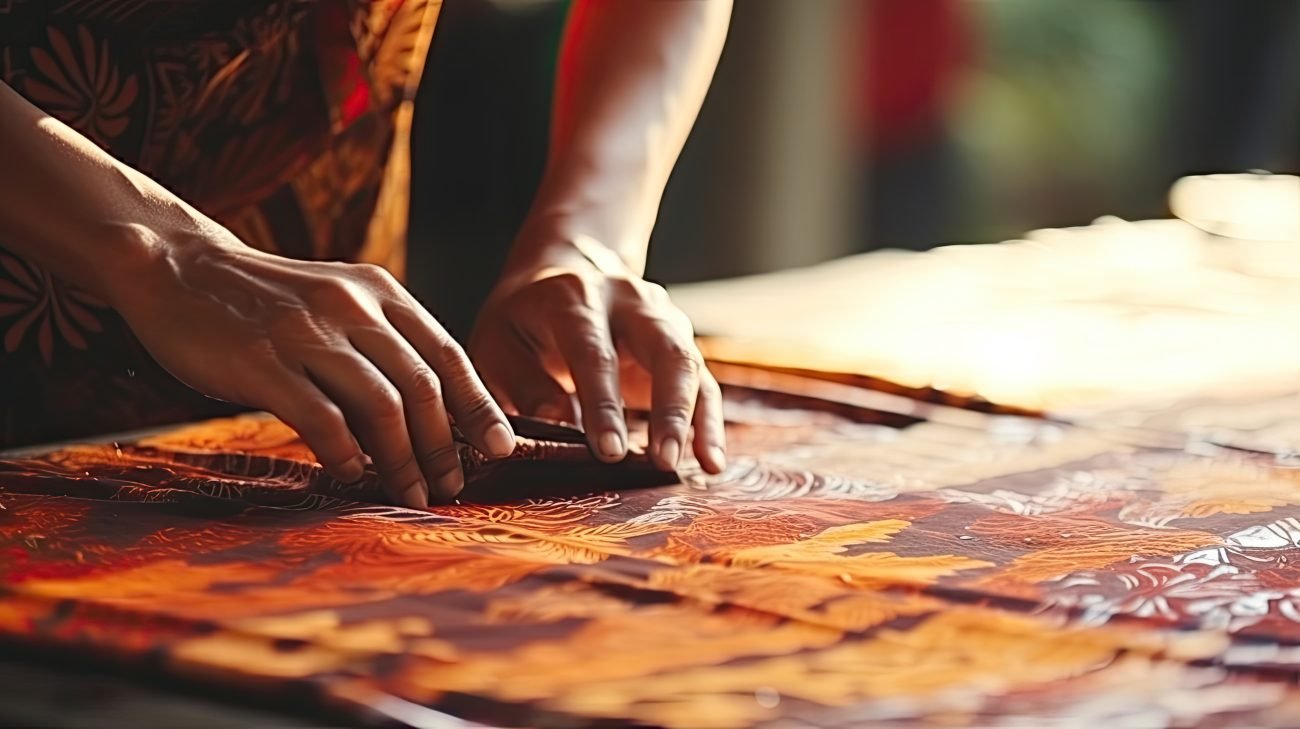
Choosing handcrafted indian textiles is a conscious expression of cultural pride. It reflects respect for tradition artisans and sustainable practices. Every purchase becomes a statement of values rather than convenience. Usha Kalamkari encourages mindful choices that honor heritage through everyday fashion.
Handcrafted indian textiles as silent storytellers
These textiles speak without words. Through texture color and design they communicate history belief and emotion. Handcrafted indian textiles tell stories that remain relevant even as time moves forward. At Usha Kalamkari, textiles are treated as storytellers rather than products.
Preserving identity in a globalized world
As fashion becomes increasingly globalized handcrafted indian textiles help preserve unique cultural identities. They resist homogenization by retaining local character. Supporting handcrafted textiles ensures cultural voices remain distinct. Usha Kalamkari plays a role in protecting this individuality through ethical sourcing and traditional craftsmanship.
Why handcrafted indian textiles remain timeless
Cultural identity does not expire with trends. Handcrafted indian textiles remain timeless because they are rooted in values rather than fashion cycles. Their relevance comes from meaning not novelty. Usha Kalamkari creates textiles designed to endure both emotionally and culturally.
Conclusion celebrating culture and identity through handcrafted indian textiles
Handcrafted Indian textiles reflect culture and identity by carrying tradition human touch and regional expression within their fabric. They connect people to their roots while allowing personal expression. With Usha Kalamkari, every handcrafted textile becomes a living reflection of Indian culture identity and timeless artistry.