

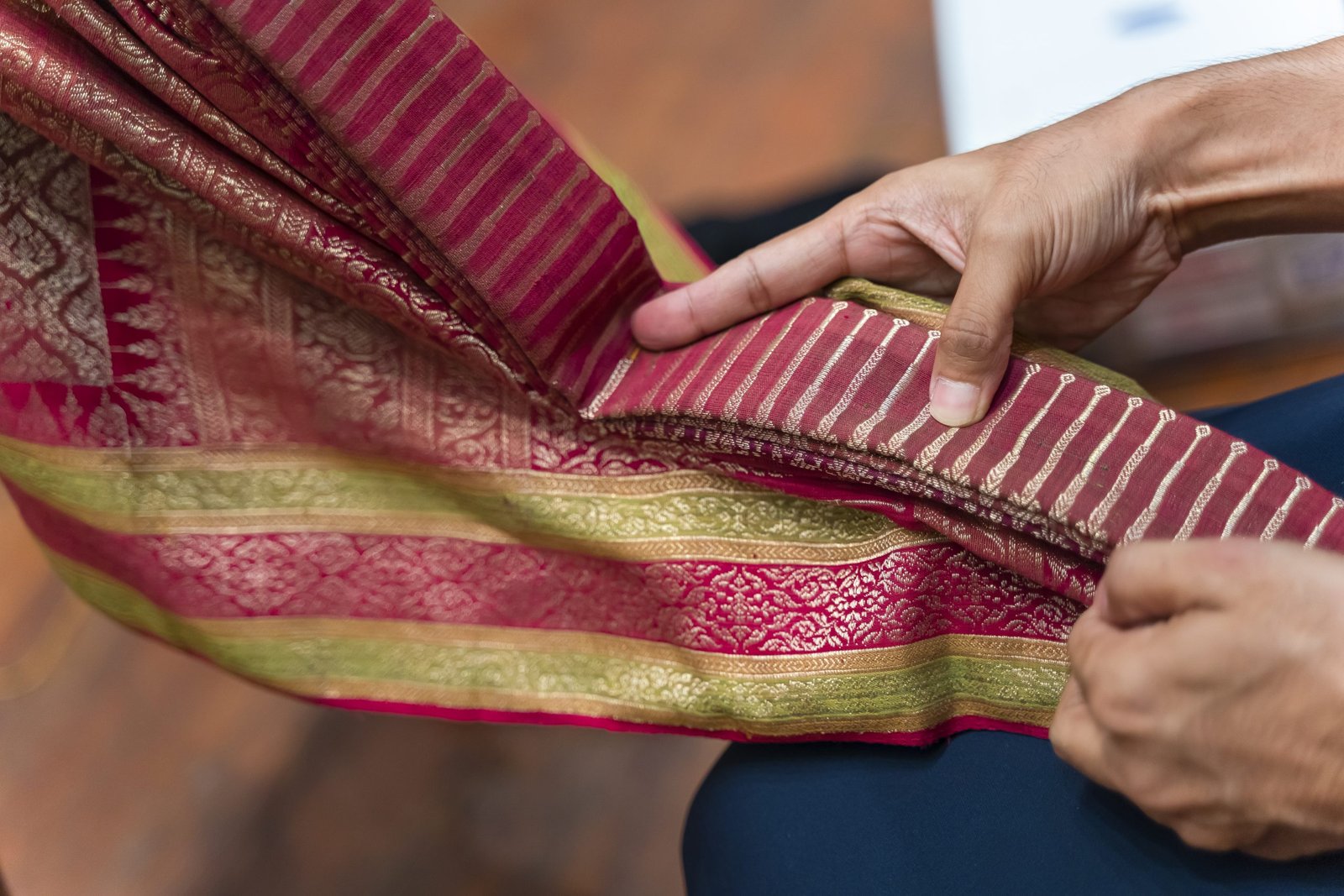
The heritage rooted in traditional indian fabrics
Traditional Indian fabrics are distinct because they are born from centuries of cultural evolution rather than modern manufacturing demands. Each fabric reflects a deep connection to history region and community. The techniques used today are often the same ones practiced generations ago refined through experience rather than replaced by machines. At Usha Kalamkari, traditional indian fabrics are valued as living heritage shaped by time skill and purpose.
Human craftsmanship as the defining element
What truly sets traditional indian fabrics apart is the involvement of human hands at every stage. Artisans guide the fabric through weaving dyeing and finishing using intuition and learned expertise. This human presence gives fabrics individuality and warmth. Slight variations in texture or design are natural results of craftsmanship not defects. Usha Kalamkari preserves this handmade integrity because it gives fabrics their distinct identity.
Regional diversity expressed through fabric traditions
India’s geographical and cultural diversity is clearly reflected in its fabrics. Climate natural resources and local beliefs influence how fabrics are woven dyed and styled. Each region contributes unique techniques patterns and color palettes. Traditional indian fabrics carry these regional signatures proudly making them easily recognizable and culturally rich. At Usha Kalamkari, honoring regional identity is essential to authenticity.
Traditional motifs that carry meaning
Motifs in traditional indian fabrics are rarely decorative alone. They often symbolize mythology nature rituals prosperity or social values. These motifs have been repeated and refined across generations becoming part of a shared visual language. Wearing such fabrics means carrying stories and beliefs woven into design. Usha Kalamkari emphasizes meaningful motifs that preserve cultural storytelling.
Natural materials and dyes enhance authenticity
Traditional indian fabrics often use natural fibers like cotton silk and wool along with dyes derived from plants minerals and organic sources. These materials breathe age gracefully and feel comfortable on the body. Natural dyes develop depth over time rather than fading harshly. At Usha Kalamkari, natural materials are essential to maintaining the original character of handcrafted fabrics.
The beauty of imperfection
One of the most distinct qualities of traditional indian fabrics is their imperfection. Minor inconsistencies in weave color or pattern reveal the presence of human hands. These details make each piece unique. Unlike factory produced textiles uniformity is not the goal authenticity is. Usha Kalamkari celebrates these imperfections as marks of true craftsmanship.
Cultural relevance beyond fashion trends
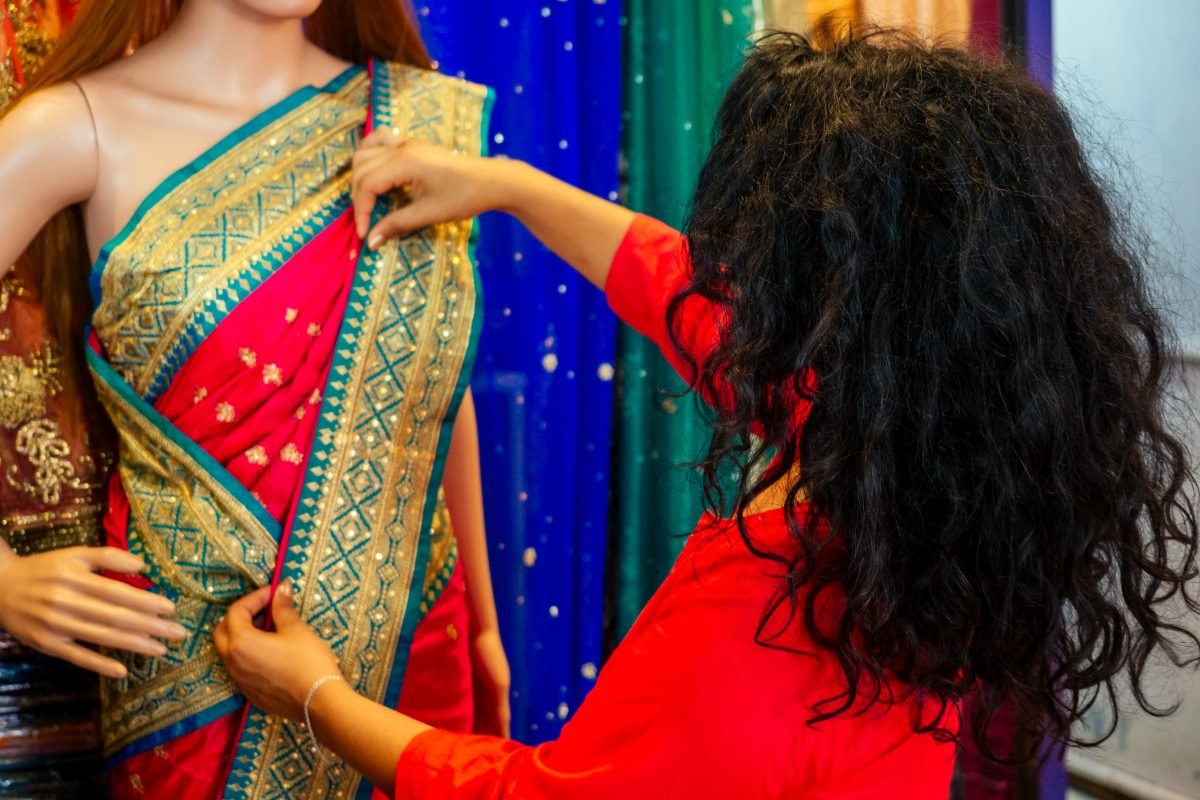
Traditional indian fabrics are not driven by trends or seasonal demand. Their relevance comes from culture rituals and everyday life. They are worn during ceremonies festivals and important milestones giving them lasting importance. Usha Kalamkari creates fabrics that remain meaningful across time rather than following fast fashion cycles.
Durability built through experience
Artisans who create traditional indian fabrics understand how fibers behave over time. Their experience ensures fabrics are durable comfortable and long lasting. Many traditional fabrics soften with use and become more beautiful with age. Usha Kalamkari focuses on longevity ensuring each fabric offers enduring value.
Emotional connection and personal identity
Traditional indian fabrics often hold emotional significance. They are associated with memories celebrations and family traditions. Wearing them expresses respect for heritage and personal identity. At Usha Kalamkari, fabrics are designed to create emotional connections rather than temporary appeal.
Sustainability rooted in tradition
Long before sustainability became a concept traditional indian fabric practices were naturally eco conscious. Minimal machinery local sourcing and handmade processes reduced waste and energy use. Usha Kalamkari believes these traditional practices offer valuable lessons for responsible fashion today.
Support for artisan communities
Every traditional indian fabric supports an artisan community that relies on generational skills for livelihood. Choosing handcrafted fabrics helps preserve these skills and encourages future generations to continue the craft. Usha Kalamkari works directly with artisans to ensure respect fairness and continuity.
Timeless appeal through cultural integrity
What makes traditional indian fabrics truly distinct is their timeless appeal. They remain relevant because they are rooted in values craftsmanship and cultural integrity rather than novelty. Usha Kalamkari creates textiles meant to be worn cherished and passed on.
Conclusion celebrating the distinct nature of traditional indian fabrics
Traditional Indian fabrics are truly distinct because they unite human craftsmanship regional identity cultural storytelling and sustainability. They represent more than material they represent tradition memory and skill. With Usha Kalamkari, every fabric stands as a celebration of what makes Indian textiles uniquely timeless.