

The wisdom woven into indian handcrafted fabrics
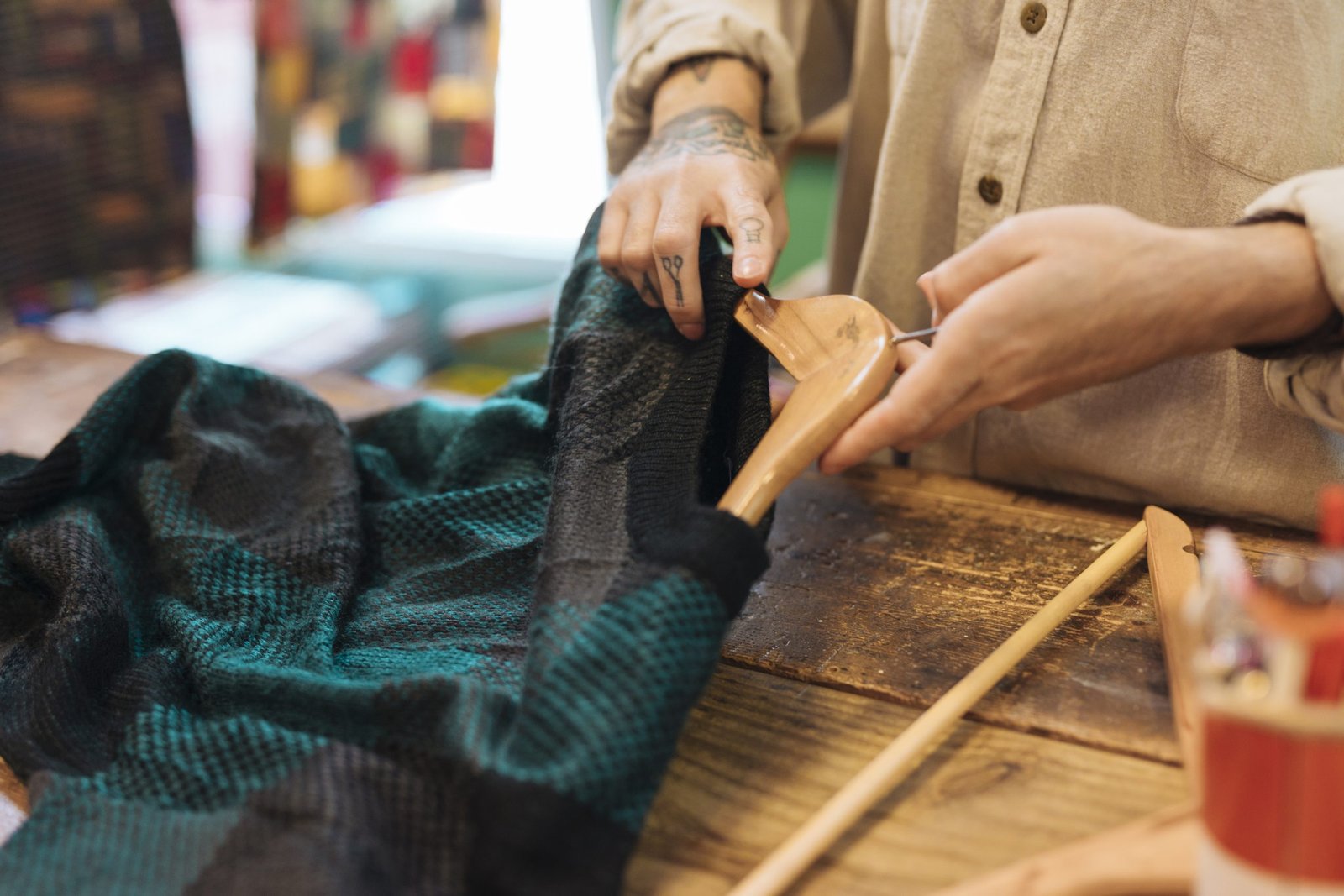
Indian handcrafted fabrics are living repositories of knowledge passed down through countless generations. They are not created through written manuals or digital instructions but through observation practice and lived experience. Every thread carries lessons learned over time shaped by environment culture and community. At Usha Kalamkari, these fabrics are seen as carriers of inherited wisdom rather than mere materials.
Knowledge passed through hands not books
One of the most powerful aspects of indian handcrafted fabrics is how knowledge is transferred. Skills are learned by watching elders working at looms preparing dyes or drawing motifs. This learning happens naturally within families and artisan communities. Techniques evolve slowly preserving what works and refining what improves quality. Usha Kalamkari values this hands on transmission because it keeps traditions alive in their purest form.
Techniques shaped by generations of experience
Every weaving method dyeing process or hand painting technique used in indian handcrafted fabrics has been perfected over generations. Artisans understand how fibers behave how colors react and how designs age over time. This understanding cannot be replicated quickly or mechanically. It is built through years of trial observation and refinement. At Usha Kalamkari, this generational experience is respected and protected.
Motifs as carriers of cultural knowledge
Motifs in indian handcrafted fabrics often carry deep symbolic meaning. They represent myths beliefs rituals seasons and social values. These symbols are taught along with techniques ensuring cultural stories are preserved visually. When artisans create these motifs they are not just decorating fabric they are continuing a cultural language. Usha Kalamkari preserves this symbolic knowledge through authentic design practices.
Natural dyeing as inherited science
The use of natural dyes in indian handcrafted fabrics reflects traditional scientific understanding of plants minerals and environmental conditions. Artisans know which plants produce which colors how long to ferment them and how to fix dyes naturally. This knowledge has been passed orally and practically across generations. Usha Kalamkari supports these dyeing methods because they reflect both cultural and ecological wisdom.
Regional knowledge embedded in fabric
Different regions of India developed distinct textile traditions based on climate geography and local resources. This regional knowledge is visible in fabric texture weave density and color choices. Indian handcrafted fabrics reflect how communities adapted creatively to their surroundings. At Usha Kalamkari, honoring regional identity means respecting the knowledge embedded in each textile tradition.
Handcrafted fabrics as living classrooms
Every handcrafted fabric acts as a teaching tool for the next generation. Young artisans learn by participating in the process gradually taking on more responsibility. This ensures continuity and deep understanding rather than surface level skill. Usha Kalamkari believes that sustaining this learning environment is essential to preserving authentic craftsmanship.
Why this knowledge cannot be replaced by machines
Machines can replicate patterns but they cannot carry generational understanding. Indian handcrafted fabrics embody decisions based on experience instinct and cultural awareness. These qualities are uniquely human. When knowledge transmission breaks traditions fade. Usha Kalamkari works to prevent this loss by supporting artisan led creation.
Handcrafted fabrics as memory keepers
Indian handcrafted fabrics often hold memories of ceremonies festivals and milestones. They are worn during significant life moments reinforcing their emotional value. Through use and preservation these fabrics become personal and collective memory holders. Usha Kalamkari designs textiles meant to be remembered and passed forward.
Generational knowledge and sustainability
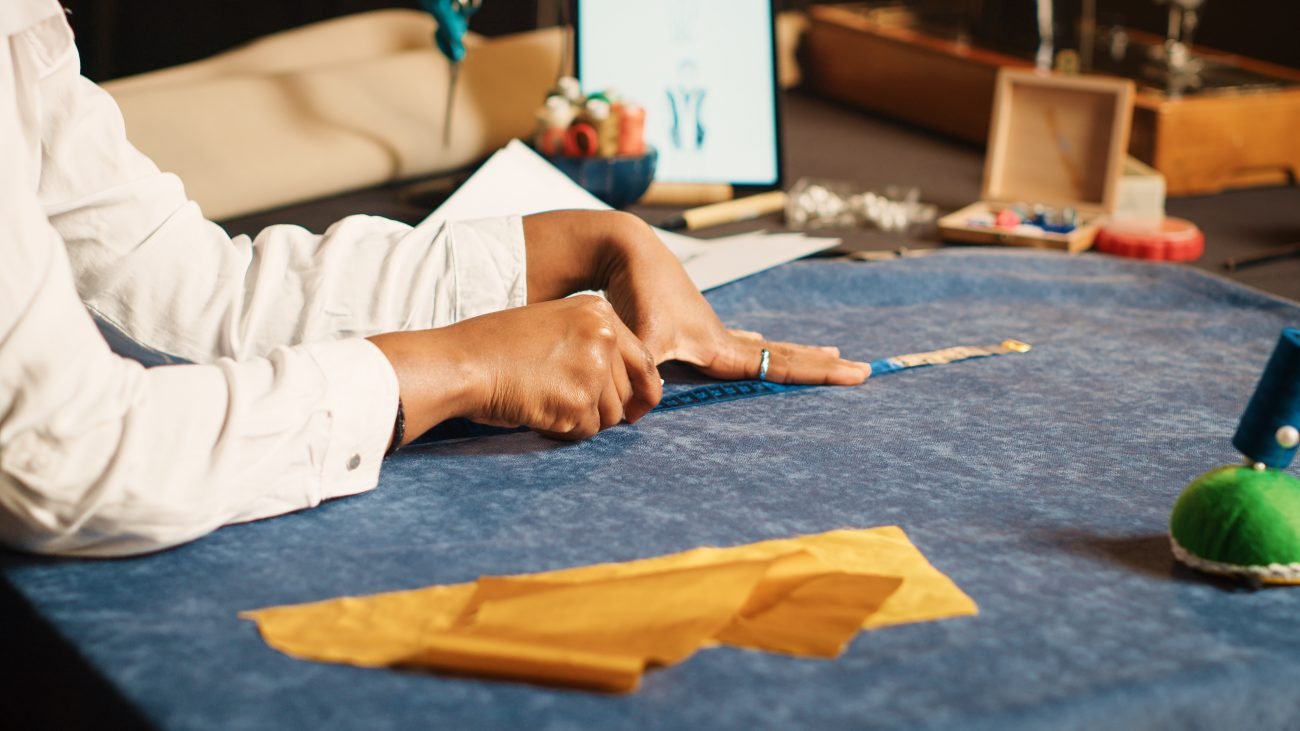
Traditional textile practices evolved with sustainability in mind long before modern terminology existed. Resource use waste reduction and longevity were natural considerations. Indian handcrafted fabrics reflect this balanced approach. Usha Kalamkari believes that generational knowledge offers solutions for responsible fashion today.
Challenges in preserving generational knowledge
Modern fast fashion threatens the continuity of traditional skills. When artisans are forced to abandon their craft knowledge disappears. Supporting handcrafted textiles helps keep this knowledge relevant and valued. Usha Kalamkari plays a role in sustaining demand for authentic handcrafted fabrics.
Why choosing handcrafted fabrics matters today
When you choose indian handcrafted fabrics you support not just a product but a knowledge system. Each purchase encourages artisans to continue teaching learning and creating. Usha Kalamkari invites conscious buyers to become part of this preservation journey.
Handcrafted fabrics as bridges between past and future
Indian handcrafted fabrics connect ancestral wisdom with modern expression. They allow traditional knowledge to remain active rather than archived. Usha Kalamkari ensures that these fabrics evolve thoughtfully without losing their roots.
Conclusion honoring generations of knowledge
Indian handcrafted fabrics carry generations of knowledge through technique symbolism and lived experience. They represent continuity resilience and cultural intelligence. With Usha Kalamkari, every fabric becomes a tribute to the generations that shaped it and a promise to those who will carry it forward.