

The true meaning of handcrafted fabrics in today’s world
Handcrafted fabrics are more than textiles they are expressions of human skill tradition and patience. In an age dominated by machines handcrafted fabrics stand apart because every piece is shaped by the hands of artisans. These fabrics carry imperfections that add character rather than flaws. Understanding what makes handcrafted fabrics truly special begins with recognizing the human effort and cultural depth behind them. At Usha Kalamkari, handcrafted fabrics are treated as living art forms rather than commercial products.
The human touch that defines handcrafted fabrics
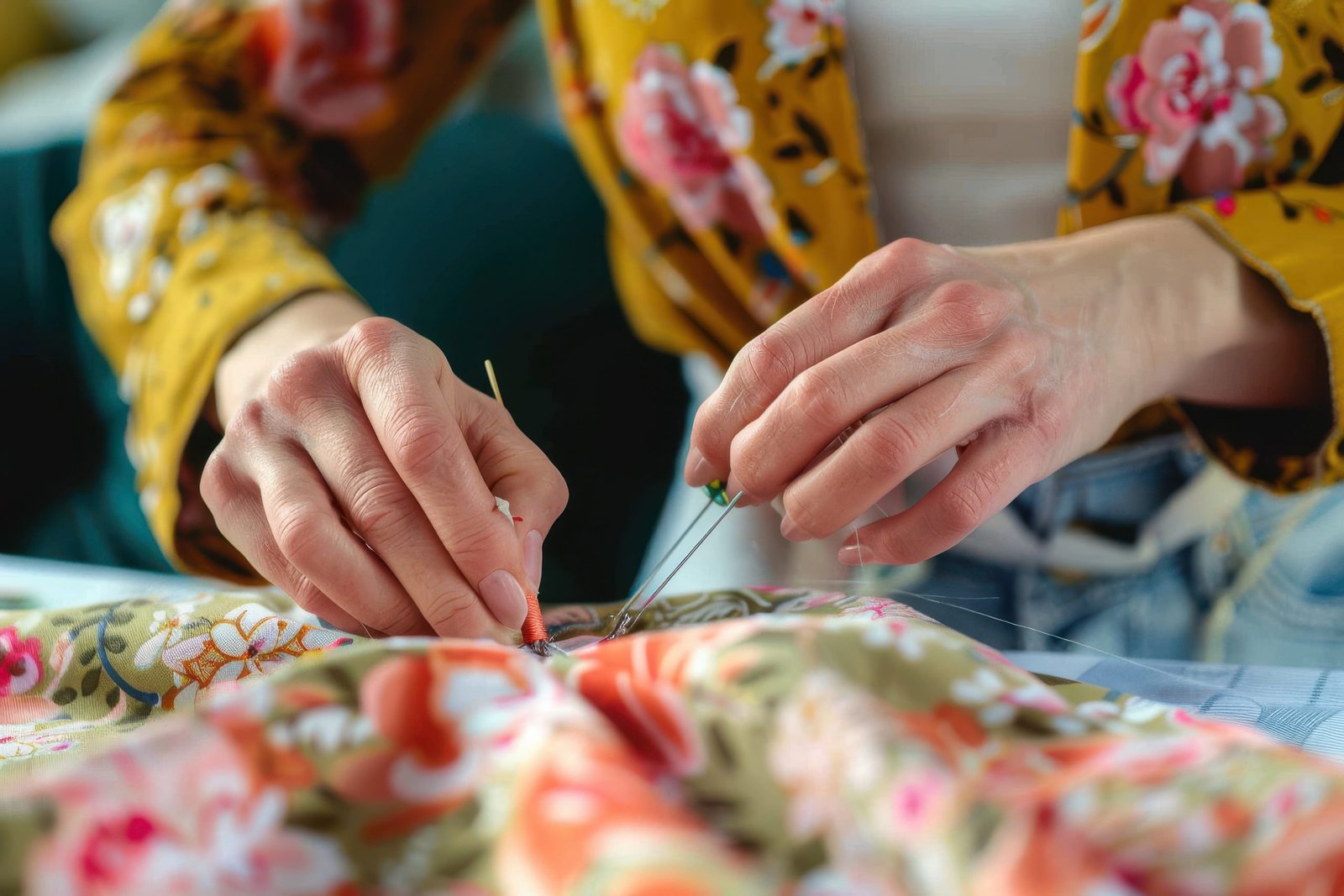
What truly distinguishes handcrafted fabrics is the unmistakable human touch. From weaving to dyeing and detailing every step involves skilled artisans who rely on experience rather than automation. Slight variations in patterns color intensity and texture confirm authenticity. These variations make each fabric unique. Usha Kalamkari values this individuality because it reflects genuine craftsmanship and artistic freedom.
Traditional techniques passed through generations
Handcrafted fabrics are rooted in techniques that have been preserved across generations. These methods are not written in manuals but passed through practice observation and tradition. Whether it is hand weaving natural dyeing or hand painting the knowledge lives within artisan communities. Usha Kalamkari works closely with such artisans to ensure these techniques continue to thrive rather than fade.
Natural materials and dyes create lasting beauty
One reason handcrafted fabrics are truly special is the use of natural materials and dyes. Natural fibers breathe better feel comfortable and age gracefully. Natural dyes derived from plants minerals and organic sources develop depth over time instead of fading abruptly. Unlike chemical dyes these colors feel earthy and balanced. At Usha Kalamkari, natural processes are respected to maintain authenticity and sustainability.
Why handcrafted fabrics feel different to wear
Handcrafted fabrics have a distinct feel that machines cannot replicate. They adapt to the body soften with use and drape naturally. This comfort comes from slow production and careful handling. Many people notice that handcrafted fabrics feel alive compared to factory produced materials. Usha Kalamkari focuses on fabrics that feel as good as they look.
Cultural stories woven into handcrafted fabrics
Every handcrafted fabric carries cultural meaning. Motifs patterns and techniques often represent regional stories beliefs and traditions. Wearing handcrafted fabrics becomes a way of connecting with heritage. These fabrics speak silently through design. At Usha Kalamkari, storytelling through textiles is an essential part of preserving cultural identity.
The difference between handcrafted and mass produced fabrics
Mass produced fabrics prioritize speed uniformity and cost. Handcrafted fabrics prioritize quality uniqueness and meaning. While machine made fabrics look identical handcrafted fabrics celebrate variation. This difference affects not only appearance but also longevity and emotional value. Usha Kalamkari stands for value over volume ensuring each handcrafted piece holds significance.
Durability and long term value
Handcrafted fabrics are designed to last. Artisans understand how fibers behave over time and craft accordingly. These fabrics often become wardrobe staples and heirloom pieces. Their ability to remain relevant across years adds to their value. Choosing handcrafted fabrics from Usha Kalamkari means investing in longevity rather than temporary fashion.
Sustainability and ethical impact
Handcrafted fabrics support sustainable fashion practices. They use less energy create minimal waste and support artisan livelihoods. Choosing handcrafted fabrics helps preserve ecosystems and cultural communities. Usha Kalamkari believes true fashion responsibility lies in mindful creation and conscious buying.
How handcrafted fabrics support artisan communities
Behind every handcrafted fabric is an artisan whose livelihood depends on traditional skills. Supporting handcrafted textiles helps sustain these communities and encourages younger generations to continue the craft. Usha Kalamkari works directly with artisans to ensure fair practices and respect for their expertise.
Why handcrafted fabrics remain timeless
Trends change but handcrafted fabrics remain relevant because they are rooted in authenticity. Their designs are not dictated by seasons but by culture and creativity. This timeless quality makes them suitable for every generation. Usha Kalamkari creates handcrafted fabrics meant to be cherished not replaced.
How to choose authentic handcrafted fabrics
Authentic handcrafted fabrics show natural variations hand executed details and organic textures. They may not look perfectly symmetrical and that is their strength. Trusting the source is essential. Usha Kalamkari ensures transparency so customers can confidently choose genuine handcrafted textiles.
Handcrafted fabrics as expressions of personal style
Handcrafted fabrics allow individuals to express personality values and appreciation for art. They reflect thoughtful choices rather than impulse buying. Wearing handcrafted textiles communicates respect for tradition and creativity. Usha Kalamkari offers fabrics that help individuals express elegance with meaning.
Conclusion celebrating what makes handcrafted fabrics special
Handcrafted fabrics are special because they combine human skill cultural heritage and lasting beauty. They represent patience authenticity and responsibility. Choosing handcrafted fabrics means choosing meaning over mass production. With Usha Kalamkari, every handcrafted fabric stands as a tribute to artisans tradition and timeless elegance.