

Understanding the heritage power behind traditional weaving
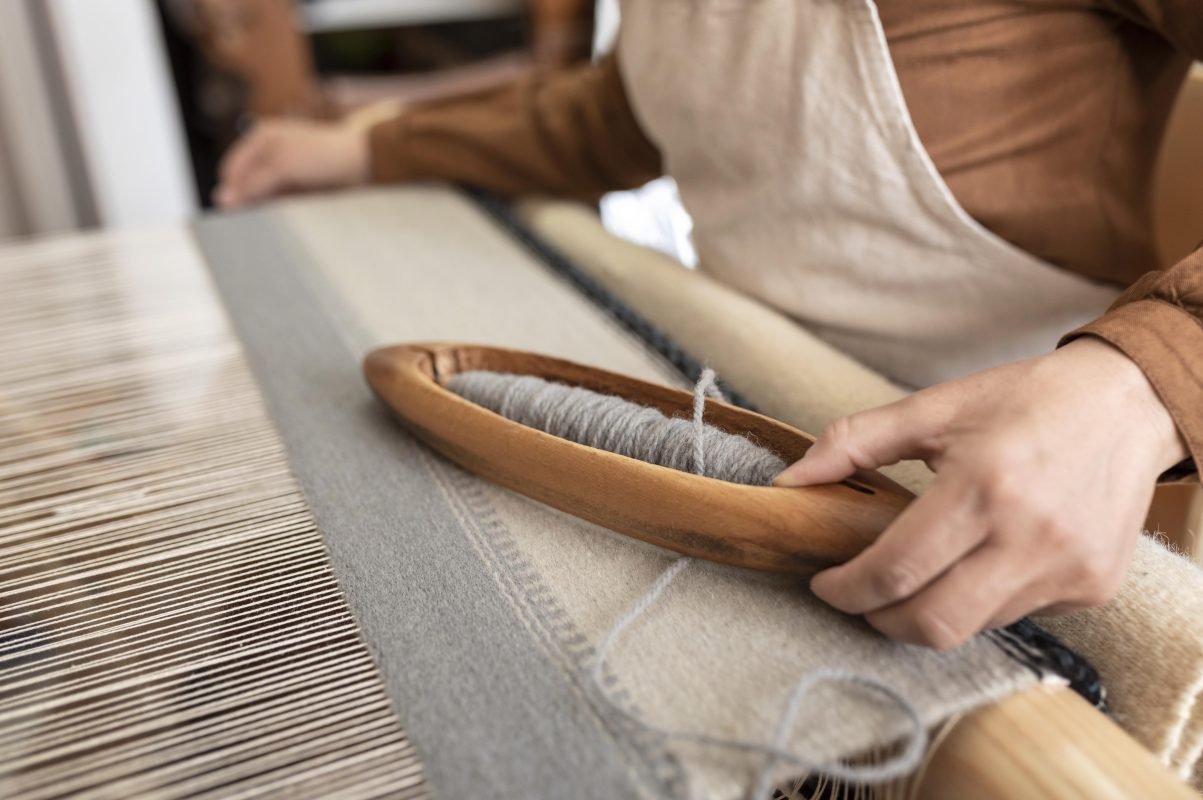
The heritage power of India’s traditional weaving arts lies in their ability to connect the present with centuries of cultural evolution. These weaving traditions are not relics of the past. They are active, living practices that continue to shape identity and expression. Each woven textile reflects inherited knowledge, discipline, and artistic sensibility. At Usha Kalamkari, traditional weaving arts are respected as powerful carriers of heritage rather than simple craft techniques.
Generational wisdom preserved through weaving
India’s traditional weaving arts survive because skills are passed down within artisan families and communities. The loom becomes a space where elders teach rhythm, alignment, and patience to younger generations. This transfer of knowledge keeps techniques authentic and refined. The heritage power of India’s traditional weaving arts is strengthened by this continuity. Usha Kalamkari collaborates with artisans who carry forward these generational skills with pride.
Regional identity expressed through fabric
Each region of India has its own weaving style shaped by geography, climate, and cultural values. The patterns, textures, and weaving methods vary widely across the country. These differences highlight India’s diversity and artistic richness. Traditional weaving arts preserve regional identity by embedding it into fabric. At Usha Kalamkari, honoring regional uniqueness ensures authenticity in every textile.
Motifs that hold cultural meaning
Weaving arts in India often incorporate motifs inspired by mythology, nature, and social customs. These designs are not merely decorative. They act as symbols of belief and memory. By continuing to weave these patterns, artisans preserve cultural narratives across generations. The heritage power of India’s traditional weaving arts is reflected in this storytelling ability. Usha Kalamkari emphasizes meaningful motifs to maintain cultural depth.
The discipline of slow craftsmanship
Traditional weaving requires patience and precision. Preparing yarn, setting up the loom, and completing detailed patterns cannot be rushed. This slow process builds strength and character into the textile. The commitment to time and care reinforces the enduring nature of India’s weaving arts. Usha Kalamkari values this disciplined craftsmanship as essential to preserving heritage quality.
Human touch as a mark of authenticity
Unlike automated production, traditional weaving reflects the direct involvement of artisans. Slight variations in texture or alignment confirm human effort. These natural differences add individuality and authenticity to every piece. At Usha Kalamkari, such variations are celebrated as evidence of genuine craftsmanship.
Natural materials connecting craft to land
India’s traditional weaving arts often rely on natural fibers such as cotton and silk sourced locally. These materials breathe, adapt, and age gracefully. Traditional dyeing techniques further enhance richness and depth. The connection between material and environment strengthens the heritage power of weaving arts. Usha Kalamkari prioritizes natural processes to maintain authenticity and sustainability.
Community pride and cultural continuity
In many regions, weaving is central to community identity. It provides livelihood while reinforcing shared cultural values. Supporting traditional weaving arts strengthens both economic stability and cultural pride. Usha Kalamkari works respectfully with artisan communities to ensure their skills and contributions remain valued.
Adapting tradition without losing strength
The heritage power of India’s traditional weaving arts is sustained through thoughtful adaptation. While contemporary designs and applications evolve, the core techniques remain unchanged. This balance allows weaving arts to remain relevant without losing authenticity. At Usha Kalamkari, innovation is introduced carefully so tradition remains at the center.
Emotional legacy woven into textiles
Traditional woven fabrics often accompany significant life events such as weddings and festivals. Over time, they become part of family memory. This emotional continuity adds depth to their heritage value. The heritage power of India’s traditional weaving arts grows stronger with every generation that preserves these textiles. Usha Kalamkari creates pieces intended to become lasting heirlooms.
Sustainability rooted in tradition
Long before sustainability became widely discussed, traditional weaving arts practiced balanced resource use and minimal machinery. This responsible approach aligns naturally with modern environmental awareness. Usha Kalamkari continues to honor these principles, ensuring that heritage and responsibility coexist.
Conclusion honoring the power of tradition
The heritage power of India’s traditional weaving arts lies in generational knowledge, regional diversity, meaningful motifs, disciplined craftsmanship, and emotional continuity. These weaving traditions represent resilience and artistic integrity. With Usha Kalamkari, every woven textile stands as a testament to India’s enduring cultural strength and timeless artistry.