

Where the story of indian handcrafted textiles truly begins
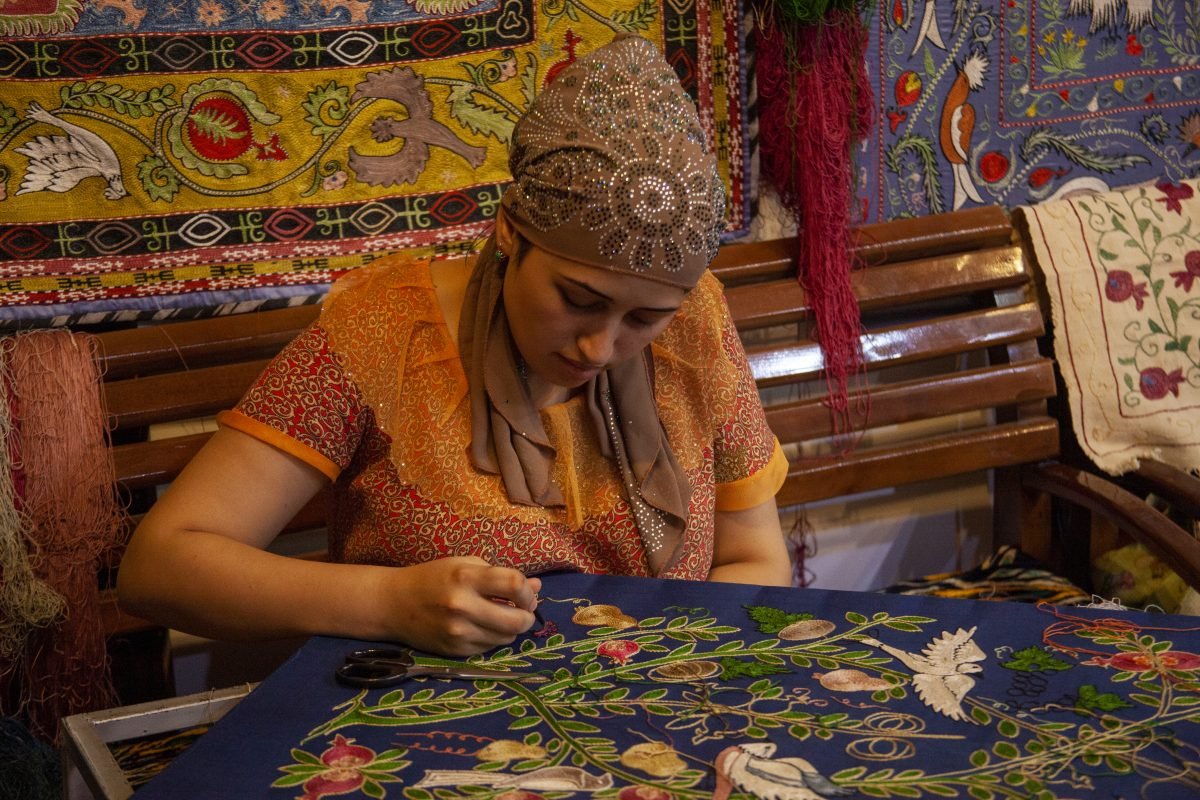
The story of Indian handcrafted textiles does not begin in factories or fashion studios. It begins in small artisan homes, in villages where looms are part of everyday life, and in communities where skills are passed from one generation to the next. Indian handcrafted textiles are shaped by hands that have learned through observation, patience, and lived experience. At Usha Kalamkari, every textile carries this origin story, rooted in tradition rather than trend.
Generations of knowledge woven into fabric
Indian handcrafted textiles carry knowledge that has survived centuries. Techniques for weaving, dyeing, and detailing are not random processes but refined practices developed through time. Artisans learn by watching elders work, absorbing rhythm and precision through repetition. This generational transfer gives textiles depth and continuity. When you hold a handcrafted fabric, you are holding layers of inherited wisdom. Usha Kalamkari honors this lineage by working with artisans who preserve these time tested skills.
Motifs that speak without words
One of the most powerful elements behind Indian handcrafted textiles is storytelling through design. Motifs often reflect mythology, nature, rituals, and everyday life. These designs are not merely decorative. They represent shared beliefs and cultural memory. A floral pattern may symbolize prosperity, while certain traditional figures may reflect devotion or celebration. At Usha Kalamkari, design choices are guided by meaning, ensuring that textiles continue to speak their original language.
Sentiment tied to life’s milestones
Indian handcrafted textiles often become part of significant life events. They are worn during weddings, festivals, family gatherings, and spiritual ceremonies. Over time, these fabrics absorb memory. A saree worn during a wedding becomes more than attire. It becomes part of family history. A dupatta gifted during a celebration becomes a reminder of connection and love. Usha Kalamkari creates textiles meant to accompany meaningful moments, allowing sentiment to grow naturally over time.
The comfort of authenticity
There is a quiet comfort in wearing something handcrafted. Indian handcrafted textiles feel different because they are shaped by human attention rather than automated speed. The fabric drapes naturally, softens with use, and adapts to the body. This tactile experience deepens emotional attachment. At Usha Kalamkari, comfort and authenticity go hand in hand, ensuring that beauty never feels distant or artificial.
Imperfection as a mark of sincerity
Handcrafted textiles often show subtle irregularities in weave or color. These variations confirm the presence of human hands. Rather than reducing value, they enhance uniqueness. No two pieces are ever identical. Each carries its own quiet identity. Usha Kalamkari embraces these imperfections because they reflect sincerity and genuine craft.
Artisans as storytellers
Behind every Indian handcrafted textile is an artisan whose work reflects personal dedication and cultural pride. These artisans are not anonymous producers. They are storytellers expressing their heritage through fabric. Their skill is shaped by environment, tradition, and community. Supporting handcrafted textiles supports these storytellers and keeps their narratives alive. Usha Kalamkari believes that honoring artisans is central to preserving textile sentiment.
Sustainability rooted in tradition
Long before sustainability became a modern focus, Indian handcrafted textiles followed balanced practices. Local materials, minimal machinery, and mindful production were natural parts of the craft. These practices reduce environmental strain while preserving cultural continuity. Usha Kalamkari continues this responsible approach, recognizing that sentiment also comes from ethical creation.
Emotional worth beyond fashion cycles
Fashion trends change rapidly, but Indian handcrafted textiles remain emotionally steady. Their value grows over time, especially when tied to memory and meaning. They are not meant to be discarded after a season. They are meant to be cherished, worn repeatedly, and sometimes passed down. At Usha Kalamkari, textiles are created with longevity in mind, allowing stories to deepen rather than fade.
The connection between wearer and heritage
When someone chooses Indian handcrafted textiles, they connect with something larger than themselves. They connect with culture, history, and artistry. This connection creates pride and belonging. Wearing handcrafted fabric becomes an act of respect toward tradition. Usha Kalamkari designs textiles that allow wearers to carry this connection confidently.
Why sentiment makes handcrafted textiles special
Sentiment transforms fabric into memory. It gives weight to color, texture, and design. Indian handcrafted textiles are special because they hold emotion alongside craftsmanship. They represent dedication, continuity, and human touch. At Usha Kalamkari, every piece is created with the understanding that textiles are part of life’s meaningful moments.
Conclusion honoring the story and sentiment
The story and sentiment behind Indian handcrafted textiles lie in generational knowledge, cultural symbolism, human touch, and emotional memory. These fabrics are not ordinary garments. They are vessels of tradition and connection. With Usha Kalamkari, each handcrafted textile carries a story that continues to unfold with every wear.