

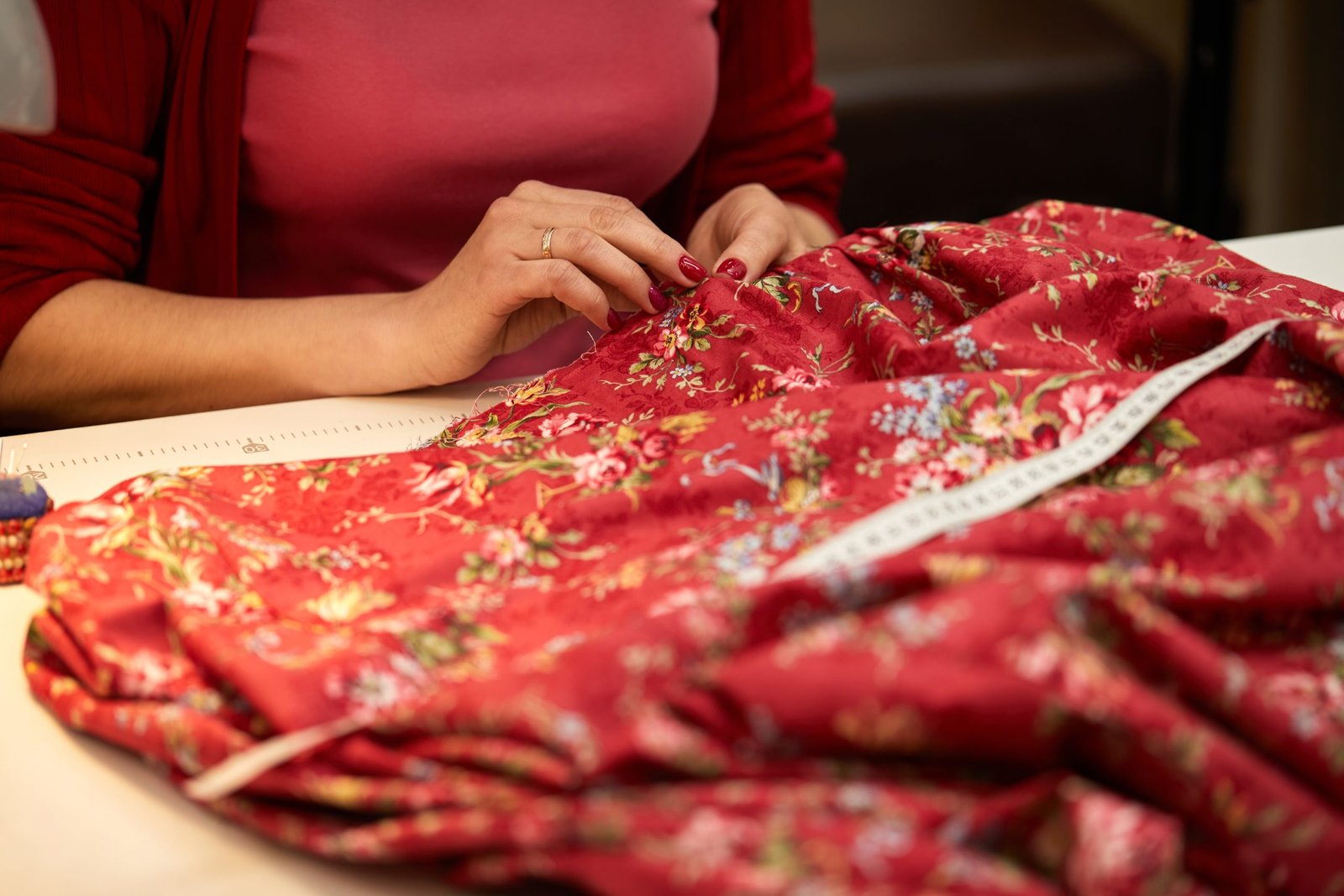
Indian textiles as living traditions
Indian textiles are not static artifacts preserved behind glass they are living traditions that continue to evolve through daily use rituals and craftsmanship. Every handwoven fabric hand painted motif and natural dye technique represents knowledge that has survived centuries. Preserving tradition through Indian textiles means allowing these practices to remain active relevant and respected in modern life. At Usha Kalamkari, textiles are created not just to be admired but to be worn lived in and passed forward.
How tradition is carried through craftsmanship
The foundation of Indian textile tradition lies in craftsmanship. Skills are passed from one generation to the next through observation practice and repetition. Artisans learn by working alongside elders absorbing techniques that cannot be taught through books alone. This continuity ensures that tradition remains intact even as styles adapt to changing times. Usha Kalamkari works closely with artisans who carry this inherited knowledge in their hands.
Textile techniques shaped by history and culture
Indian textile techniques developed in response to local history climate and cultural needs. Weaving styles dyeing processes and surface designs reflect centuries of adaptation and refinement. These techniques were shaped by rituals festivals and everyday life. Preserving tradition through Indian textiles means respecting these historical contexts rather than simplifying them for speed. Usha Kalamkari values authenticity over shortcuts.
Motifs as keepers of cultural memory
Motifs used in Indian textiles often serve as visual records of belief systems mythology and social values. These symbols have been repeated refined and remembered through fabric rather than written text. When artisans recreate these motifs they are continuing a cultural language. Usha Kalamkari emphasizes meaningful motifs so that textiles remain carriers of memory rather than decorative surfaces.
The role of natural materials in preservation
Traditional Indian textiles rely heavily on natural fibers and dyes. Cotton silk plant based colors and mineral pigments were chosen not only for availability but for their durability and harmony with the environment. These materials age gracefully and connect textiles to nature. Preserving tradition means continuing to use materials that shaped the original craft. At Usha Kalamkari, natural processes remain central to textile creation.
Why slow processes protect tradition
Traditional textile making is inherently slow. From preparing yarn to finishing fabric each step requires time and patience. This slowness allows quality depth and intention to remain intact. Fast production risks erasing the nuances that define traditional crafts. Usha Kalamkari embraces slow processes because they protect the integrity of textile traditions.
Artisans as custodians of heritage
Artisans are not simply makers they are custodians of cultural heritage. Their hands carry knowledge refined over lifetimes. When artisan livelihoods are supported traditions survive. When they are ignored traditions fade. Usha Kalamkari prioritizes artisan collaboration ensuring that preservation happens through empowerment rather than imitation.
Tradition evolving without losing its roots
Preserving tradition does not mean freezing it in time. Indian textiles have always evolved while remaining rooted in core principles. New applications silhouettes or color interpretations can coexist with traditional techniques. Usha Kalamkari believes in thoughtful evolution where innovation respects origin rather than replacing it.
The emotional value of preserved traditions
Indian textiles often become part of personal and family histories. They are worn during celebrations rituals and milestones. Preserving textile traditions preserves these emotional connections. At Usha Kalamkari, fabrics are designed to become part of memories rather than disposable fashion.
Sustainability as an inherited practice
Long before sustainability became a global concern Indian textile traditions practiced responsible production. Minimal waste local sourcing and durable design were inherent values. Preserving tradition through Indian textiles also preserves sustainable wisdom. Usha Kalamkari views traditional methods as solutions for modern environmental challenges.
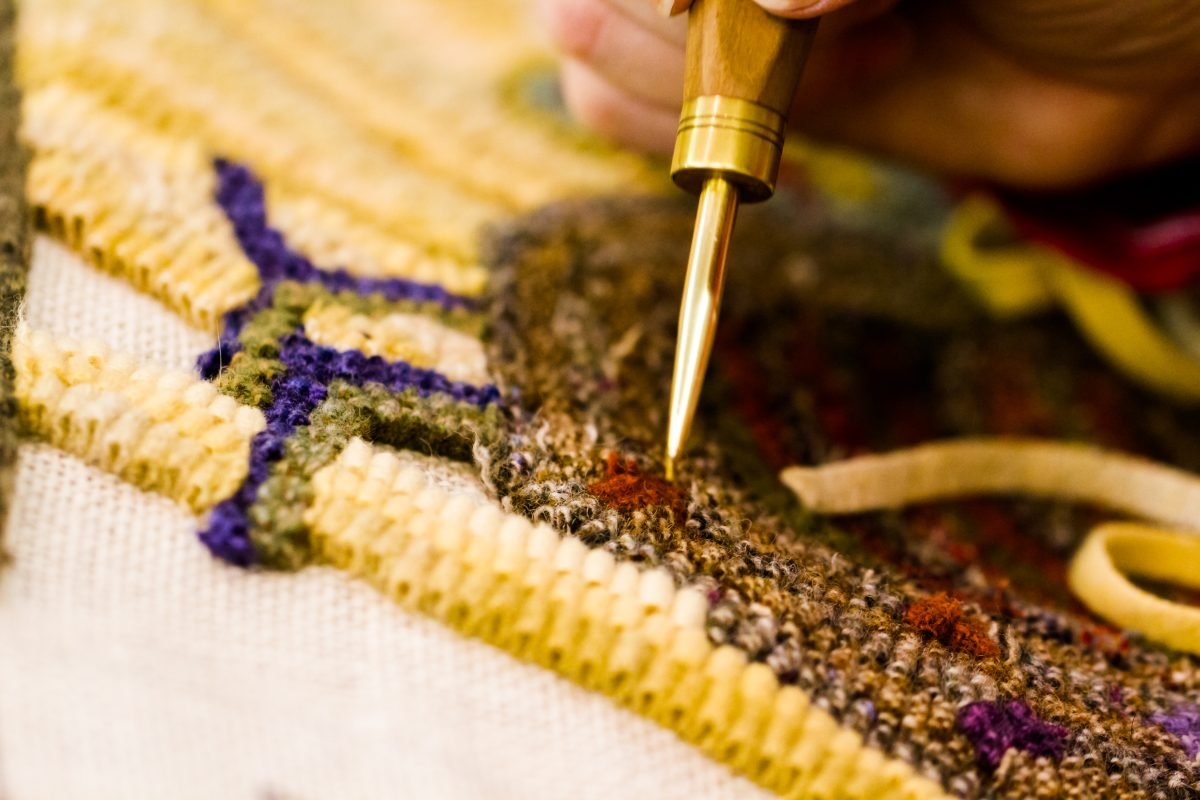
The role of conscious buyers in preservation
Preserving tradition is not only the responsibility of artisans it also depends on those who choose handcrafted textiles. Conscious buying keeps demand alive and skills relevant. Every purchase supports continuity. Usha Kalamkari invites buyers to become participants in preservation rather than passive consumers.
Indian textiles as cultural ambassadors
Indian textiles carry tradition beyond regional boundaries. When worn and shared they communicate cultural identity globally. Preserving textile traditions ensures that India’s diverse craft heritage continues to be understood and appreciated worldwide. Usha Kalamkari contributes to this by maintaining authenticity in every piece.
Challenges to preserving textile traditions
Modern mass production threatens traditional textile practices by prioritizing speed and uniformity. When markets favor imitation over authenticity traditions risk dilution. Usha Kalamkari counters this by educating customers and maintaining transparency in craftsmanship.
Why preserving tradition through textiles matters today
In a rapidly changing world traditions offer grounding continuity and identity. Indian textiles remind us of patience skill and human connection. Preserving them means preserving values that go beyond fashion. At Usha Kalamkari, tradition is not a trend but a responsibility.
Conclusion honoring the art of preservation
The art of preserving tradition through Indian textiles lies in respecting craftsmanship supporting artisans and choosing authenticity over convenience. These textiles carry history culture and wisdom woven into every thread. With Usha Kalamkari, preserving tradition becomes a living practice where heritage continues to breathe through fabric.