

Why knowing the difference between handcrafted and printed fabrics matters
Understanding the difference between handcrafted and printed fabrics is essential for anyone who values quality authenticity and cultural heritage in textiles. At first glance both may appear visually appealing but their creation process value and longevity are entirely different. When you choose fabric you are not just buying material you are choosing craftsmanship tradition and purpose. At Usha Kalamkari, educating customers about this difference is part of honoring true artisan work.
What handcrafted fabrics really mean
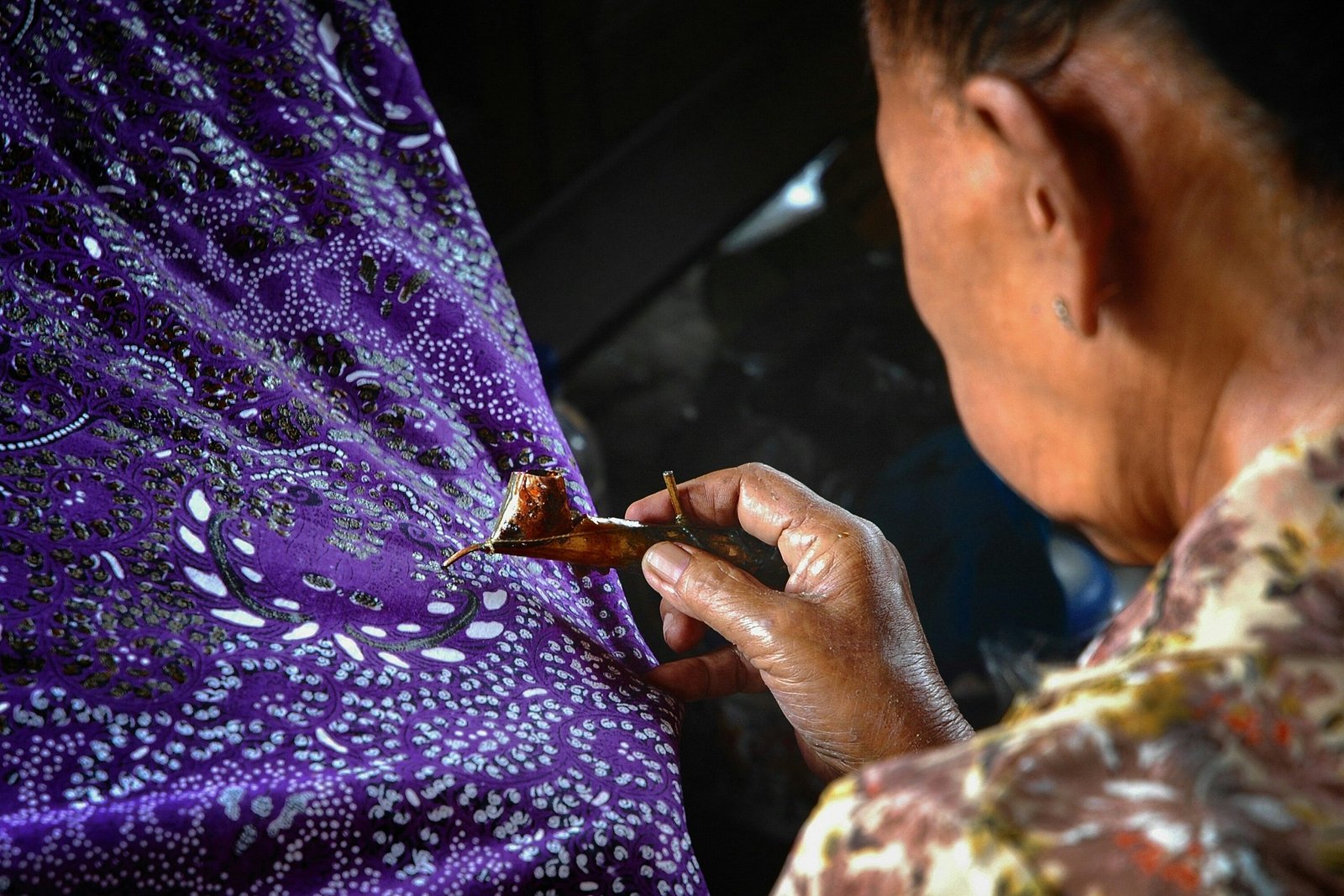
Handcrafted fabrics are created through manual processes carried out by skilled artisans. Every step from preparing the fabric to adding designs is done by hand using traditional techniques passed down through generations. In handcrafted textiles slight variations in color lines or motifs are natural and valued because they prove human involvement. These variations make each piece unique. At Usha Kalamkari, handcrafted fabrics reflect patience skill and cultural storytelling rather than mass repetition.
How printed fabrics are produced
Printed fabrics are usually created using machines or digital printing methods. Designs are transferred onto fabric quickly and uniformly. While printed fabrics can look neat and colorful they lack the depth and individuality of handcrafted work. The patterns are identical across multiple pieces and do not carry the human touch that defines traditional craftsmanship. Printed fabrics focus on speed and volume rather than heritage.
Key differences in design depth and detail
One major difference between handcrafted and printed fabrics lies in design depth. Handcrafted fabrics often have layered textures subtle imperfections and natural color flow. The design feels integrated into the fabric. Printed fabrics sit on the surface and may fade over time. When you touch handcrafted textiles you can often feel the work within the fabric itself. Usha Kalamkari emphasizes handcrafted processes because they create depth that machines cannot replicate.
The role of natural dyes in handcrafted fabrics
Handcrafted fabrics commonly use natural dyes derived from plants minerals and organic sources. These dyes create earthy tones that mature beautifully with time. Printed fabrics mostly rely on chemical dyes that offer bright colors but lack longevity. Natural dyes used in handcrafted fabrics also align with sustainable and eco conscious practices. At Usha Kalamkari, natural dyeing is an important part of preserving traditional authenticity.
Durability and longevity comparison
Handcrafted fabrics are made with care and intention which often results in stronger longer lasting textiles. The fabric ages gracefully and can be worn for years. Printed fabrics may look appealing initially but often fade crack or lose texture after repeated use. Choosing handcrafted fabrics is an investment in durability rather than short term fashion. Usha Kalamkari focuses on creating pieces meant to last beyond trends.
Cultural and emotional value
Handcrafted fabrics carry stories traditions and emotions. Each motif often has cultural meaning rooted in history mythology or regional art forms. Printed fabrics are decorative but usually lack narrative depth. When you wear handcrafted textiles you carry a piece of heritage with you. At Usha Kalamkari, every handcrafted piece represents the voice of artisans and their lived traditions.
Environmental impact and sustainability
Handcrafted fabrics support slow fashion and have a lower environmental impact. They use minimal machinery consume less energy and support artisan livelihoods. Printed fabrics are often produced in bulk contributing to waste and environmental strain. Choosing handcrafted fabrics helps preserve both nature and traditional communities. Usha Kalamkari believes responsible fashion begins with mindful choices.
Price versus value perception
Printed fabrics are usually cheaper due to mass production. Handcrafted fabrics may cost more but offer higher value through quality uniqueness and cultural importance. Price reflects time skill and effort invested by artisans. Understanding this difference helps buyers make informed decisions. Usha Kalamkari focuses on value rather than volume.
How to identify handcrafted fabrics
Handcrafted fabrics often show slight irregularities natural color variation and visible handwork. Designs may not be perfectly symmetrical which confirms authenticity. Printed fabrics look uniform and repetitive. Feeling the texture and observing the detailing helps identify true handcrafted work. At Usha Kalamkari, transparency in craftsmanship ensures customers know what they are buying.
Why handcrafted fabrics remain timeless
Trends change but handcrafted fabrics remain relevant because they are rooted in tradition rather than fashion cycles. Their aesthetic feels authentic across generations. Printed fabrics often follow trends that fade quickly. Handcrafted textiles retain emotional and cultural relevance making them timeless wardrobe pieces. Usha Kalamkari creates fabrics meant to be cherished not replaced.
Choosing consciously between handcrafted and printed fabrics
Understanding the difference between handcrafted and printed fabrics empowers conscious buying. It allows you to support artisans preserve culture and invest in quality. Every choice has impact beyond appearance. At Usha Kalamkari, handcrafted fabrics are not just products they are heritage preserved through hands and heart.
Conclusion appreciating true craftsmanship
Understanding the difference between handcrafted and printed fabrics helps you appreciate the value of human artistry. Handcrafted fabrics offer depth durability and meaning while printed fabrics offer convenience. Choosing handcrafted is choosing tradition sustainability and authenticity. With Usha Kalamkari, every handcrafted textile stands as a reminder that true beauty lies in the human touch.